Lérins Islands
A Window into Western Mediterranean Marine Ecosystems
Lérins Islands, Cannes, France | 2023 | Two Seasonal Biodiversity Expeditions

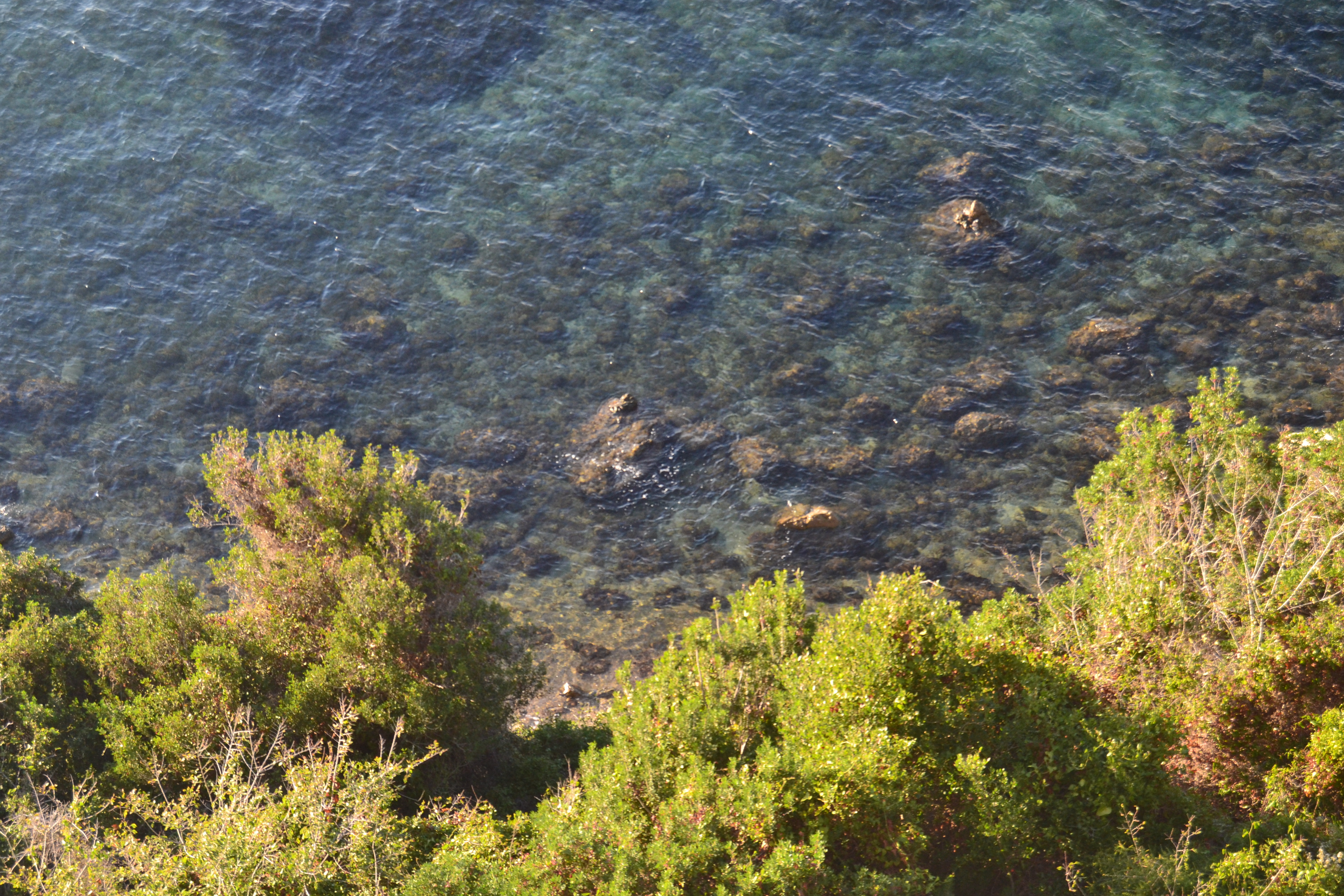
Just off the coast of Cannes, the Lérins Islands offer a striking contrast between human activity and the richness of the Mediterranean Sea. Despite their proximity to one of the most visited coastal cities in France, these islands host a diverse and fragile marine ecosystem that reflects the complexity of the western Mediterranean.
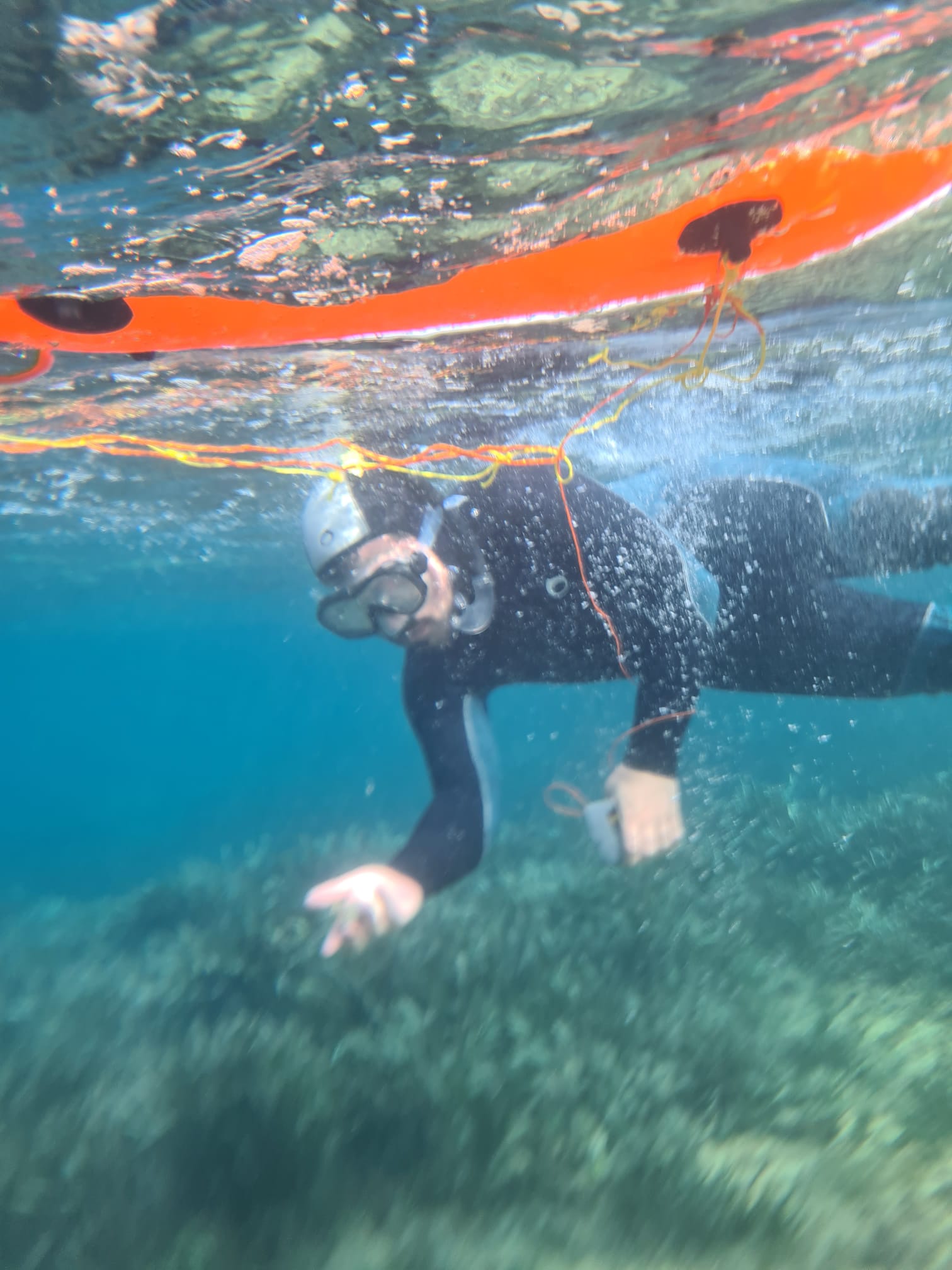
Our biodiversity monitoring campaigns focused on understanding how marine communities vary across seasons, using standardized underwater transects to record the abundance and distribution of fish, invertebrates and macroalgae.
Working in these waters provided a clear example of the structure and character of western Mediterranean ecosystems. One of the most defining features was the presence of Posidonia oceanica, an endemic seagrass species that plays a central ecological role in the region. Observing its extensive meadows and the communities they support helped me better understand how fundamental this species is in shaping habitat structure, biodiversity and ecosystem stability across the Mediterranean.
Over the course of the dives, I developed a deeper appreciation for the complexity of Mediterranean marine environments. Beyond individual species, what stood out was the interconnectedness of the system — how seagrass beds, rocky substrates and water conditions together determine which organisms can thrive in each area.
The repeated seasonal surveys also highlighted how dynamic these ecosystems are. Even within a relatively small geographic area, subtle changes in community composition became apparent over time, reinforcing the importance of long-term monitoring to understand ecological patterns and shifts.
More than a data collection exercise, this experience changed the way I perceive Mediterranean marine ecosystems. It strengthened my awareness of their ecological value and vulnerability, and of the importance of Posidonia oceanica meadows as one of the foundational elements of coastal biodiversity in the region.
Highlights
- Seasonal biodiversity monitoring expeditions in the Lérins Islands (Mediterranean Sea).
- Underwater transect surveys of fish, invertebrates and macroalgae communities.
- Observation and ecological assessment of Posidonia oceanica meadows.
- Analysis of seasonal variability in western Mediterranean marine ecosystems.
- Contribution to standardized marine biodiversity monitoring datasets.
- Field experience in coastal ecosystem assessment and marine conservation.
Key Lessons
- Posidonia oceanica is a foundational species — Seagrass meadows structure entire coastal ecosystems, providing habitat, stability and biodiversity support across the Mediterranean.
- Mediterranean ecosystems are highly interconnected — Small-scale habitat differences (seagrass, rock, sand) create distinct biological communities within a very limited spatial range.
- Seasonal variation reveals ecological dynamics — Repeated surveys across time are essential to understand how marine communities evolve rather than capturing a single snapshot.
- Field observation changes perception — Direct exposure to marine habitats deepens understanding of their complexity and reinforces their ecological and conservation value.