Mediterranean Oceanographic Campaigns
Understanding the Coast Through Integrated Marine Science
Calpe & Pobla de Farnals, Spain | 2019 | Multiple Field Campaigns
The Mediterranean Sea has been present throughout my life as the closest and most familiar marine environment — the sea where I grew up and where my first curiosity about the ocean began. These early oceanographic campaigns along the Spanish coast marked my first direct contact with field oceanography and the practical reality of marine science.
Working in areas such as Calpe and Pobla de Farnals, I participated in multidisciplinary oceanographic campaigns aimed at understanding coastal ecosystem structure and function in a highly dynamic and human-influenced environment.
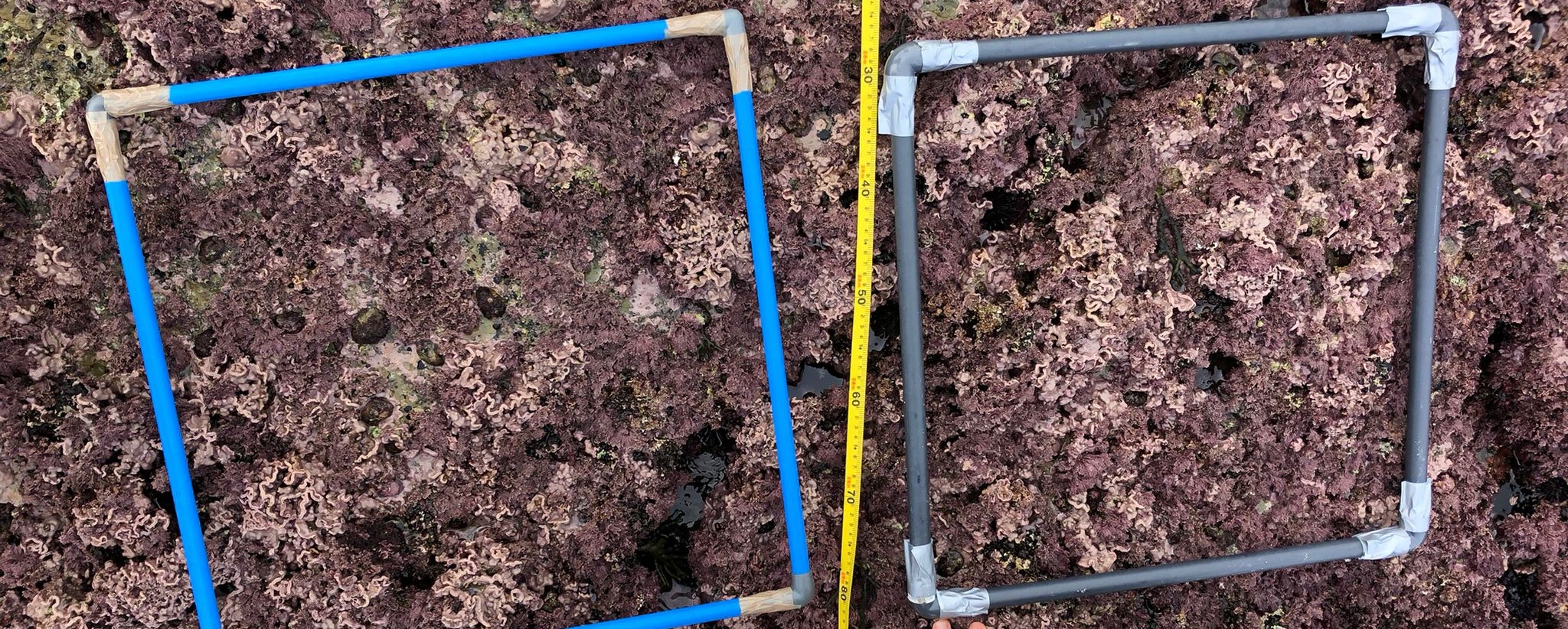
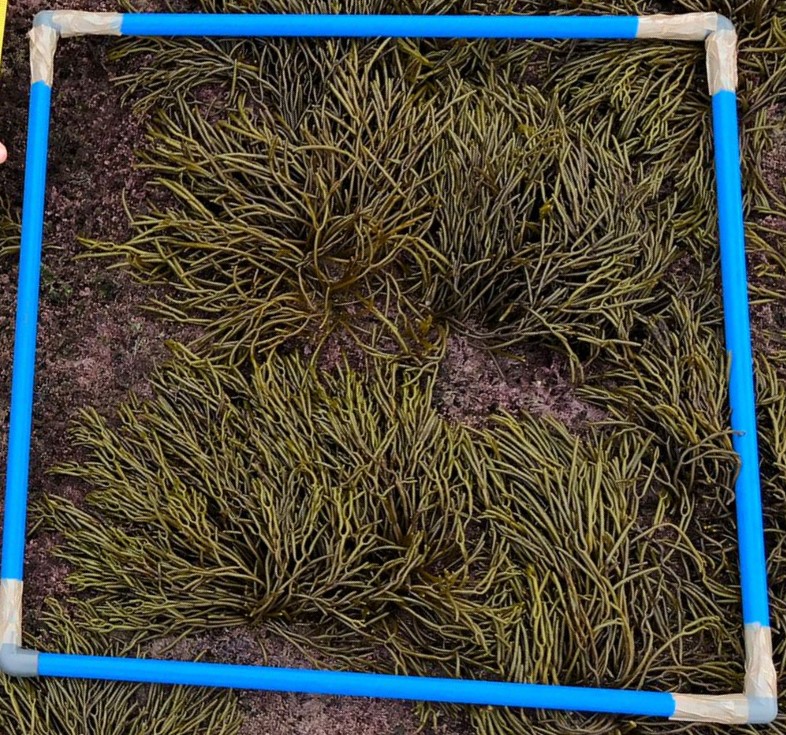
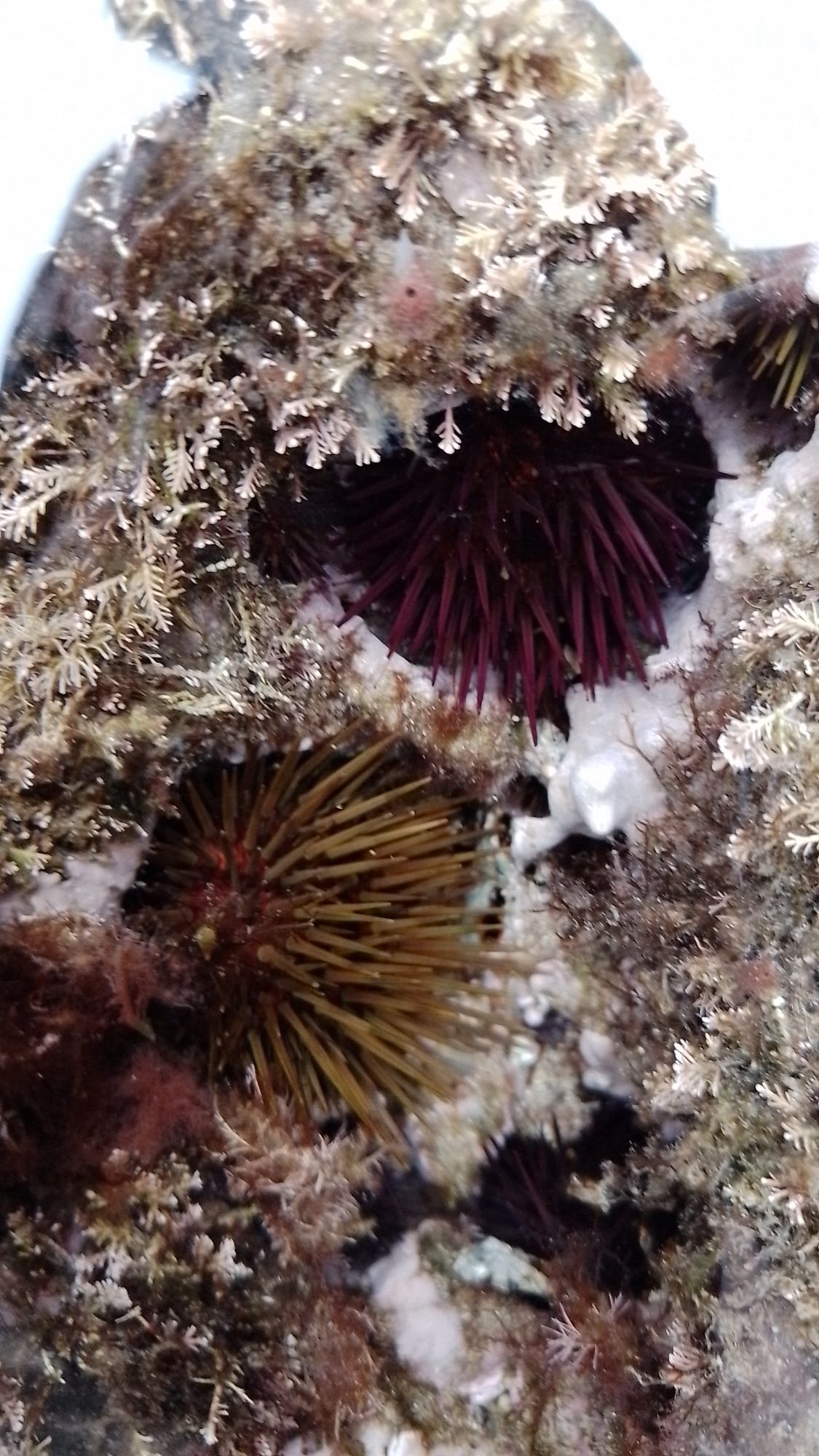
Fieldwork began with biological surveys, including the identification of marine fauna and macroalgae, habitat characterization and distribution mapping. These observations provided the ecological context for the rest of the measurements, linking species presence to environmental conditions.
A central part of the work involved the use of oceanographic instrumentation to collect in situ data. Equipment such as plankton nets, Niskin bottles, sediment grabs and Secchi disks was used to sample different components of the marine environment, from the water column to the seabed. Complementary sensors allowed us to measure key parameters such as temperature, salinity and turbidity, highlighting the importance of methodological consistency in generating reliable datasets.
Working with this range of tools introduced me to the structured nature of oceanographic science, where each measurement must be carefully standardized to ensure comparability across stations and campaigns. Even simple parameters gain scientific value only when collected systematically and within a coherent framework.
Sediment sampling added another layer of complexity, revealing the historical dimension of coastal systems. The seabed acts as a record of environmental change, linking present-day conditions with longer-term processes shaping the coastline.
Beyond data collection, part of the work involved integrating multidisciplinary datasets and contributing to final reports. This synthesis phase highlighted how oceanographic science connects directly with coastal management, environmental impact assessment and marine legislation. Scientific results are not isolated outputs — they form the basis for decisions that influence how coastal ecosystems are understood and protected.
These first experiences in oceanography not only introduced me to field-based marine science, but also reinforced my connection with the Mediterranean Sea — a marine environment that has shaped my curiosity, my perspective and the beginning of my professional path in marine science.
Through these campaigns, I developed a foundational understanding of field oceanography and the importance of combining biological, chemical and physical perspectives to interpret marine environments holistically.
Highlights
- First field experience in oceanography through Mediterranean coastal campaigns.
- Multidisciplinary oceanographic work in Calpe and Pobla de Farnals (Spain).
- Biological surveys of marine fauna and macroalgae communities.
- Water column sampling using Niskin bottles and plankton nets.
- Sediment sampling using grab and benthic collection equipment.
- In situ measurements of temperature, salinity and turbidity (e.g. Secchi disk and sensors).
- Integration of biological, chemical and physical oceanographic datasets.
- Contribution to scientific reporting and coastal impact assessments.
Key Lessons
- The Mediterranean is both a classroom and a reference point — Working in the sea where I grew up gave early meaning to marine science and shaped my long-term interest in oceanography.
- First field experiences define how you understand science — Early exposure to real sampling methods and oceanographic instruments builds the foundation for all later fieldwork.
- Oceanography is built on integration — Biological, chemical and physical measurements only become meaningful when combined into a single interpretation of the system.
- Methodology is essential from the beginning — Consistent sampling techniques are critical to producing reliable and comparable scientific data.
- Field science connects personal curiosity with professional direction — These first campaigns transformed initial curiosity about the sea into a clearer scientific and professional path.