Tjärnö Bay
Benthic Biodiversity Expedition
Tjärnö Marine Laboratory, Sweden | 2023 | 10-Day Research Expedition
Ten days of uncertainty, challenges and a common goal lay ahead of us.
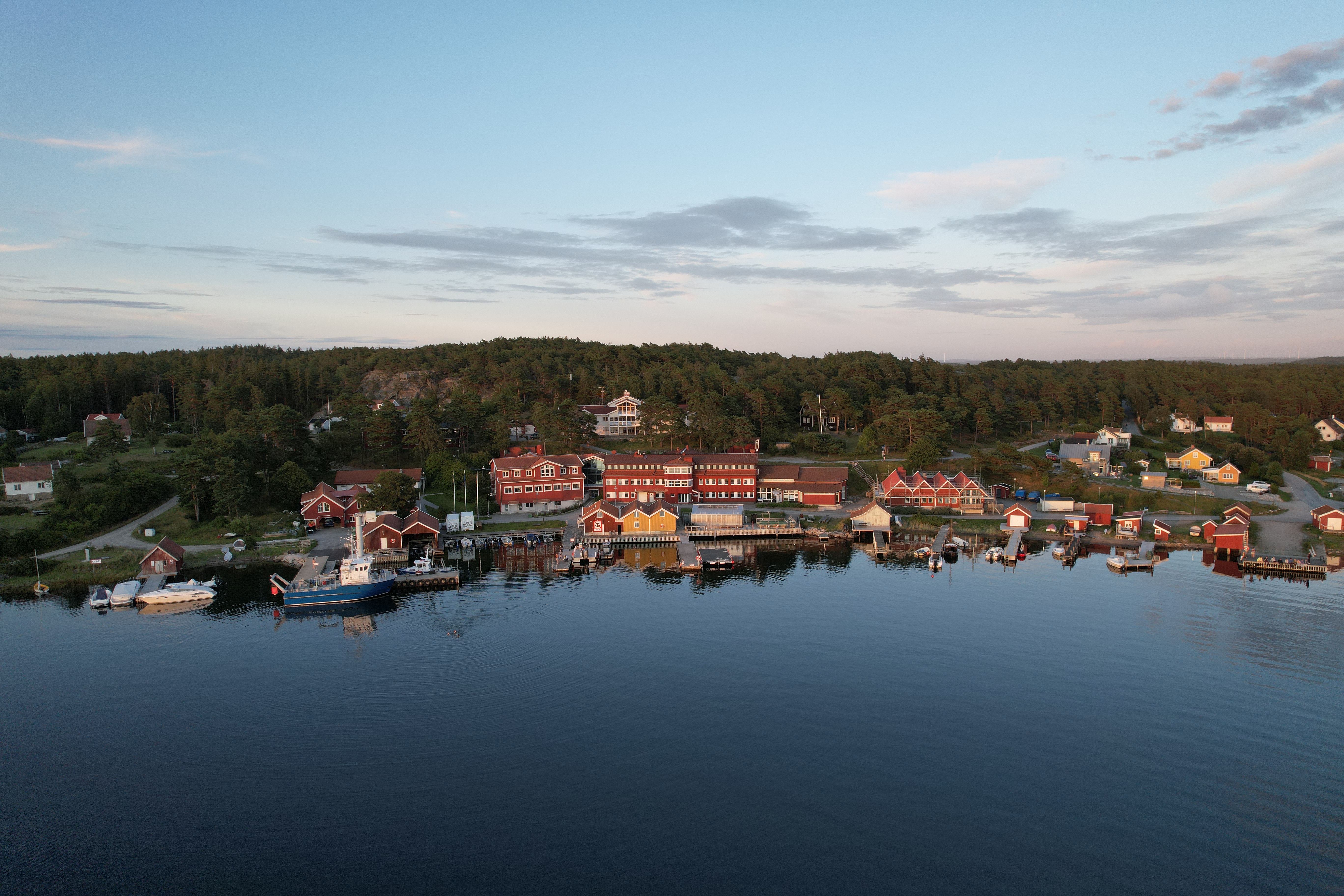
Located on Sweden's rugged west coast, Tjärnö Marine Laboratory sits among an intricate archipelago of islands, channels and sheltered bays. Just a short distance from the station lies Saltö, a small island connected to some of the region's most diverse marine habitats. Together, these landscapes became the setting for an intensive field expedition focused on understanding how benthic communities differ between natural and artificial habitats.
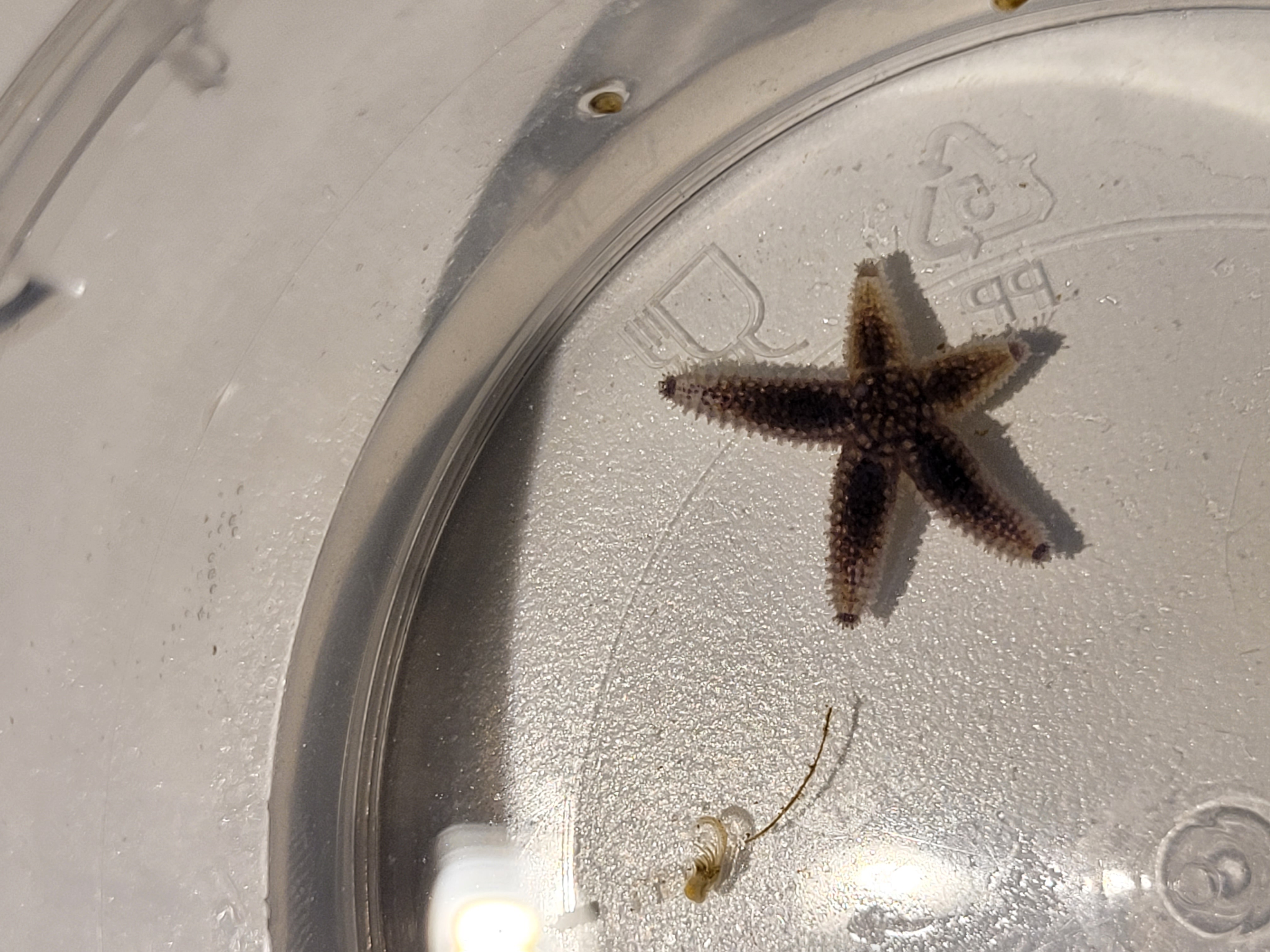
From the very beginning, the project combined scientific objectives with the realities of fieldwork. We navigated between sampling stations, collected biological samples, processed them in the laboratory and identified benthic organisms using taxonomic keys. Every sample contributed a small piece to a much larger ecological puzzle.
One of the aspects I enjoyed most was dealing with the constant uncertainty that comes with field operations. Weather conditions could change rapidly, logistics had to be adjusted, and equipment needed to be ready when opportunities arose. Anticipating potential risks, thinking one step ahead and adapting plans before problems appeared became an essential part of the expedition. It is a challenge I genuinely enjoy and one of the areas where I feel most comfortable contributing to a team.
Equally rewarding was working alongside students from different countries and backgrounds. Beyond the scientific work itself, I enjoyed seeing how each person approached the same challenges from a different perspective. Bringing together those viewpoints, discussing solutions and combining our strengths allowed us to move toward a shared objective while learning from one another throughout the process.
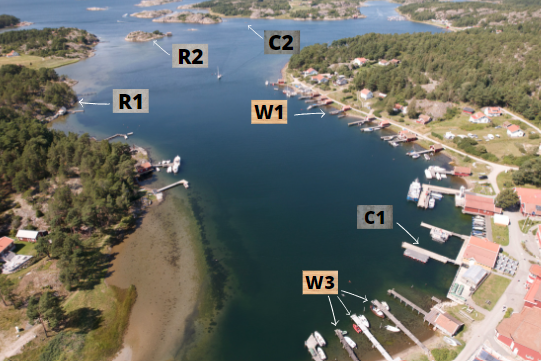
As the expedition progressed, the samples gradually transformed into meaningful scientific results. By analysing species composition across different study sites, we began to identify clear patterns in benthic community structure and distribution. The project revealed how the characteristics of different surface materials influenced the organisms present, highlighting the relationship between habitat type and biodiversity. These findings were ultimately presented in a scientific presentation and documented in a technical report.
Some of my strongest memories come not from the final results but from the journey itself: navigating through the archipelago, preparing equipment before long days in the field, identifying unfamiliar organisms under the microscope and working together to solve problems as they emerged. Those moments captured everything I enjoy about marine fieldwork—science, teamwork, adaptability and discovery.
Highlights
- 10-day field expedition in Tjärnö Bay and Saltö, Sweden.
- Investigation of benthic biodiversity across natural and artificial habitats.
- Navigation and sampling across multiple field stations within the archipelago.
- Species identification and laboratory processing using taxonomic keys.
- Risk assessment, logistics planning and field equipment management.
- Scientific presentation and technical reporting of project findings.
- Collaboration within an international team of students from diverse backgrounds.
Key Lessons
- Anticipation is as important as reaction — Successful fieldwork often depends on identifying potential risks and logistical challenges before they become problems. Planning ahead and remaining adaptable were essential throughout the expedition.
- Different perspectives strengthen a team — Working with people from different countries and academic backgrounds demonstrated how diverse approaches can lead to better solutions and stronger outcomes.
- Habitats shape biodiversity — Even within the same bay, benthic communities varied depending on the characteristics of the substrate, highlighting the close relationship between habitat structure and species distribution.
- Science is built step by step — From collecting samples in the field to identifying organisms in the laboratory and interpreting results, meaningful scientific conclusions emerge through a combination of careful observation, teamwork and persistence.
Photo Gallery